
Blackjack Table Etiquette: Rules for Playing in a Live Casino
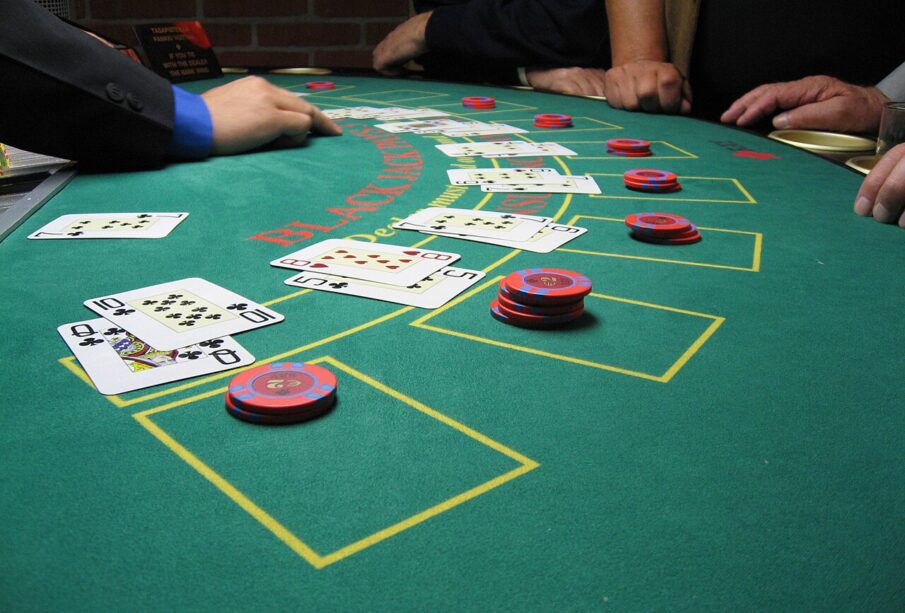
Transitioning from the isolation of online blackjack apps to the dynamic environment of a live brick-and-mortar casino floor can be an intimidating experience. In a digital game, the software handles all the logistics, counts the chips, and waits patiently for your inputs. A physical blackjack table, however, is a shared social space governed by an unwritten code of conduct.
Table etiquette is not designed to create stiff, unnecessary rules; rather, it ensures game security, maintains a smooth playing speed, and fosters a respectful atmosphere between the players, the dealer, and the house surveillance system. Understanding these social and structural behavioral expectations is essential to feeling confident and avoiding embarrassing mistakes during your next live casino trip.
Joining the Table and Buying Chips Correctly
Your first interaction with blackjack etiquette begins before you even sit down. When looking for a table, you must check the small electronic sign or placard next to the dealer, which displays the table minimum and maximum betting limits. Sitting at a table where the minimum bet is higher than your entire bankroll configuration is a major error.
Once you find an appropriate table, look at the active shoe to ensure a round is not currently in progress. The correct approach is to wait for the dealer to finish the current round and collect the cards before sliding into an empty seat.
When you are ready to convert your cash into betting tokens, never hand your bills directly to the dealer. For security reasons and to prevent collusion, dealers are legally prohibited from taking anything directly from a player hand. Instead, lay your paper currency flat on the felt surface outside of the betting circle. The dealer will take the cash, count it aloud in full view of the overhead security cameras, slide the bills into a drop box, and place the equivalent value of colored gaming chips in front of you.
Managing the Cards: Face-Up vs. Face-Down Games
The way you interact with the physical cards on the table depends entirely on the style of blackjack game being dealt. Casino formats broadly fall into two operational categories:
-
Face-Up Games (Pitch or Shoe Dealt): In standard four, six, or eight-deck shoe games, all player cards are dealt completely face-up on the felt. Under this framework, the absolute gold standard rule of etiquette is that you must never touch the cards. Since the values are visible to everyone, there is no logical reason for a player to handle them. Touching face-up cards triggers an immediate warning from the dealer, as it raises suspicions of card marking or cheating.
-
Face-Down Games (Hand-Held Games): In single-deck or double-deck variations, the dealer may pitch the cards to the players face-down. In these environments, you are permitted to pick up your cards, but you must do so using one hand only. Using two hands to hold or bend the cards makes it easier for a player to secretly swap cards or introduce outside decks into the game, which is why surveillance teams enforce the single-hand rule rigidly.
Regardless of the format, keep all cards inside the clear visual perimeter of the table surface at all times. Never drop them below the rim of the table or pull them into your lap, as doing so will cause the pit boss to immediately halt the game for a security check.
The Absolute Requirement for Non-Verbal Hand Signals
In movies, blackjack players dramatically shout out hit or stand when making their decisions. In a real casino environment, what you say carries virtually zero weight. Because casino floors are exceptionally noisy and overhead surveillance cameras cannot record audio evidence for dispute resolutions, players must use explicit, distinct hand gestures to communicate their choices.
Even if you loudly declare your intention to stand, the dealer will look at your hands before acting. Mastering the standard physical signals prevents costly playing mistakes:
-
To Hit: Tap the felt surface lightly with your index finger or scratch the table edge toward yourself with the tips of your cards in a hand-held game.
-
To Stand: Wave your hand horizontally over your chips, palm facing down, without physically touching them. In face-down games, slide your cards face-down underneath the chips in your betting circle.
-
To Double Down or Split Pairs: Place the secondary matching stack of chips directly next to your original wager, never on top of it. Then, hold up one finger for a double down or two fingers for a split.
Using these gestures keeps the game moving efficiently and ensures that the eye in the sky camera has undeniable visual proof of your exact decision if a payment dispute arises later.
Interacting with the Betting Circle and Chips
Once the dealer begins distributing cards from the shoe, the active betting window is firmly closed. You must never touch, add to, or remove chips from your betting circle once the first card has been pulled.
If a player tries to manipulate their stack mid-hand, it is viewed as an immediate red flag for past-posting, a cheating method where individuals attempt to add chips to a winning hand or pull chips away from a losing position.
Let your chips rest untouched until the dealer compares the hands, settles the balances, and pushes your winning payouts directly next to your original stake. Once the round is completely resolved and the dealer clears the discarded cards, you are free to collect your chips and adjust your next wager.
Proper Interpersonal Conduct and Table Camaraderie
Blackjack is unique because players are not competing against one another; they are collectively trying to beat the house dealer. This structural dynamic creates a shared group energy, but it can also lead to misplaced frustration when things go wrong.
Avoid Scapegoating Other Players
A common fallacy among casual players is the belief that the person sitting at the final position on the table, known as third base, controls the destiny of the table. If that player takes a hit when basic strategy suggests they should stand, and the dealer subsequently draws a card to hit twenty-one, other players often blame the third-base player for taking the dealer bust card.
Statistically, the decisions of other players at the table are completely random events that are just as likely to help you as they are to hurt you over time. Berating or criticizing another individual for their play is poor etiquette and ruins the entertainment value for the rest of the table.
Tipping the Dealer
Dealers work hard to manage the game flow, explain basic options to new players, and maintain a pleasant atmosphere. While tipping is entirely voluntary, it is a customary sign of appreciation for good service. You can tip a dealer in two distinct ways:
-
Direct Chip Gratuity: Simply place a chip on the felt surface outside of your betting circle and state clearly that it is a gift for the dealer.
-
Placing a Bet for the Dealer: Place a secondary chip on the outer top edge of your own betting circle. If your hand wins, the dealer tip wins as well, paying out double the amount to the dealer tip pool, which adds an exciting element of shared success to the layout.
Conclusion
Stepping up to a live casino blackjack table becomes an incredibly rewarding experience once you familiarize yourself with the structural flow and social patterns of the live casino floor. By using cash-on-felt placements, relying on clear visual hand signals, respecting the strict hands-off boundary regarding chips and cards, and treating both staff and fellow players with fundamental courtesy, you ensure a stress-free environment. This foundational discipline allows you to keep your mental energy focused entirely on implementing your core playing strategy.
Frequently Asked Questions
What should I do if the dealer miscalculates a hand total or pays out the wrong amount?
If you notice a clear mathematical or transactional mistake, speak up immediately before the next round begins. Keep your hands completely away from the chips and cards, and calmly point out the error to the dealer. If the dealer is unsure or disputes the claim, they will quietly call over the table pit boss, who will review the layout or check the overhead camera footage to ensure the balance is settled accurately.
Is it acceptable to use a physical basic strategy card at a live casino table?
Yes, almost all modern casinos permit players to look at a small, laminated basic strategy card while playing. However, to keep the game moving at a reasonable speed, you should avoid staring at the card for an extended period before every single decision. Additionally, you must keep the card resting flat on the table felt rather than holding it in the air, ensuring it does not obstruct the view of the surveillance system.
Can I use my smartphone to text or take calls while sitting at the blackjack table?
No, physical casinos enforce a strict policy banning the active use of mobile devices, smartphones, and tablets while seated at any live table game. This rule is maintained to prevent corporate electronic cheating schemes, card tracking programs, and hidden camera operations. If you need to answer an important text message or phone call, you must step away from the table entirely.
What is the proper etiquette if I want to sit out a single hand without leaving the table?
If you want to take a temporary break to gather your thoughts or sit out a round because the cards feel cold, you can simply remove your chips from the betting circle and inform the dealer you are sitting out a hand. However, if the casino is highly crowded and other players are waiting in line for an open seat, holding a spot without wagering is considered poor form, and you should step aside.
Am I allowed to ask the dealer for playing advice during a tough hand decision?
Yes, you can ask the dealer what standard basic strategy recommends for a specific combination. Most dealers are happy to guide you on standard protocols, such as advising you to always split a pair of aces. However, remember that the dealer is not an investment advisor, and if their advice results in a lost hand, you remain entirely responsible for the financial outcome of the wager.
What does it mean when a table is marked as mid-shoe entry restricted?
This specific restriction means that new players are completely prohibited from buying into the game or placing a bet once the dealer has already started dealing cards from a freshly shuffled shoe. If you encounter this rule, you must wait patiently next to the table until the entire shoe is depleted, the cards are reshuffled, and the cut card is placed before you can take a seat and play.